


RCO100, 100% Recycled Cotton Denim
A case study on circular-oriented innovation in the textiles and apparel sector
Journal of Circular Economy; Nelson, C. (2025)
Read the paper
ProductSourcingCircularityConsultancy
Much of fashion’s waste comes from incentives, norms, strategies and processes that lead us to make product customers don’t want, or don’t want at full price.
Product design and production processes are only part of the challenge.
The technology to redesign our industry exists, and fashion professionals, producers and investors are ready to play their role.
Circularity that reduces waste and dependence on non-renewable resources makes a business more resilient and more competitive. When circularity creates value, and engages fashion professionals and customers, it scales.
That’s common sense, for the good of the industry
and a good future.

“Cherie has an impressive depth of expertise in sustainability and circularity, approaching the future of fashion with both realism and ambition. She understands how to integrate sustainability into the core of a business in a way that is commercially viable, operationally informed, and future-facing.”
Amy Roberton
Denim Design & Production Consultant
If your processes and sourcing are compromising the delivery of your product vision, if your markdown is high, or if you need to evolve your supply chain for resilience and compliance, I can help.
I work with innovative fashion brands to turn product vision, sourcing and circularity strategies into commercial value.
I start by listening to what you want to achieve and the challenges you face. We then agree scope, deliverables and timeline.
Once we’ve agreed the scope, I look at your current processes and incentives, and the results they deliver. I analyse what I’ve found and provide clear options or recommendations, with the business case for each. We agree the direction together.
I draw on experience and practical frameworks and tools to meet your challenges, whether that’s evolving a supply base for resilience or embedding circularity in product design and operations.
Depending on your needs, I deliver a project, lead change management, provide fractional support or train your teams.
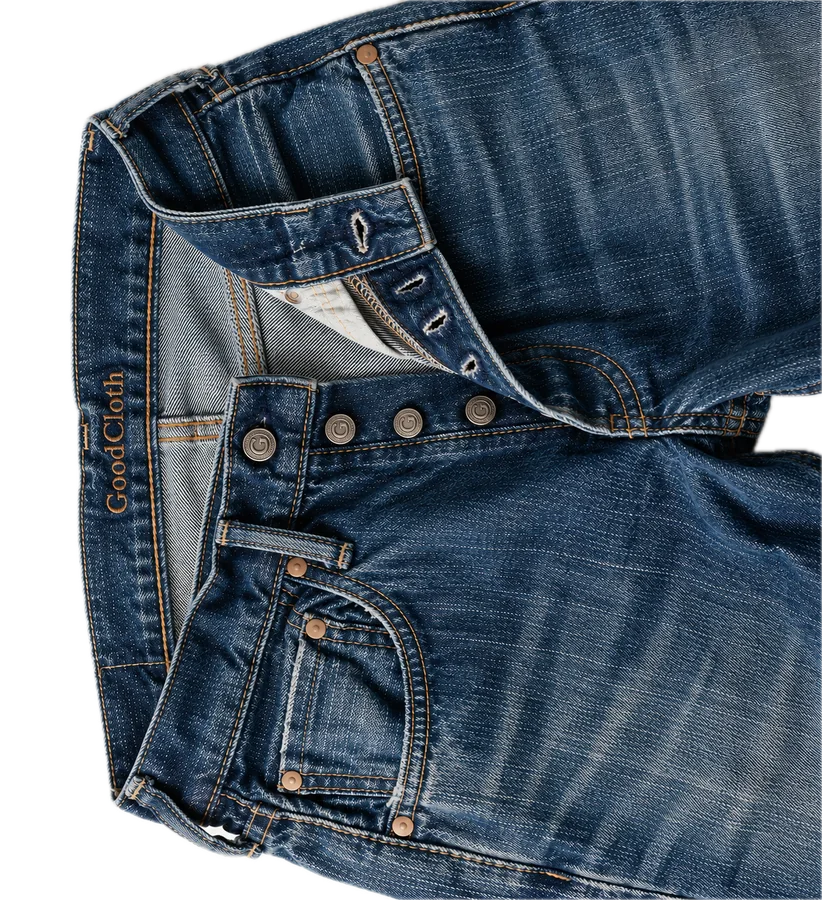
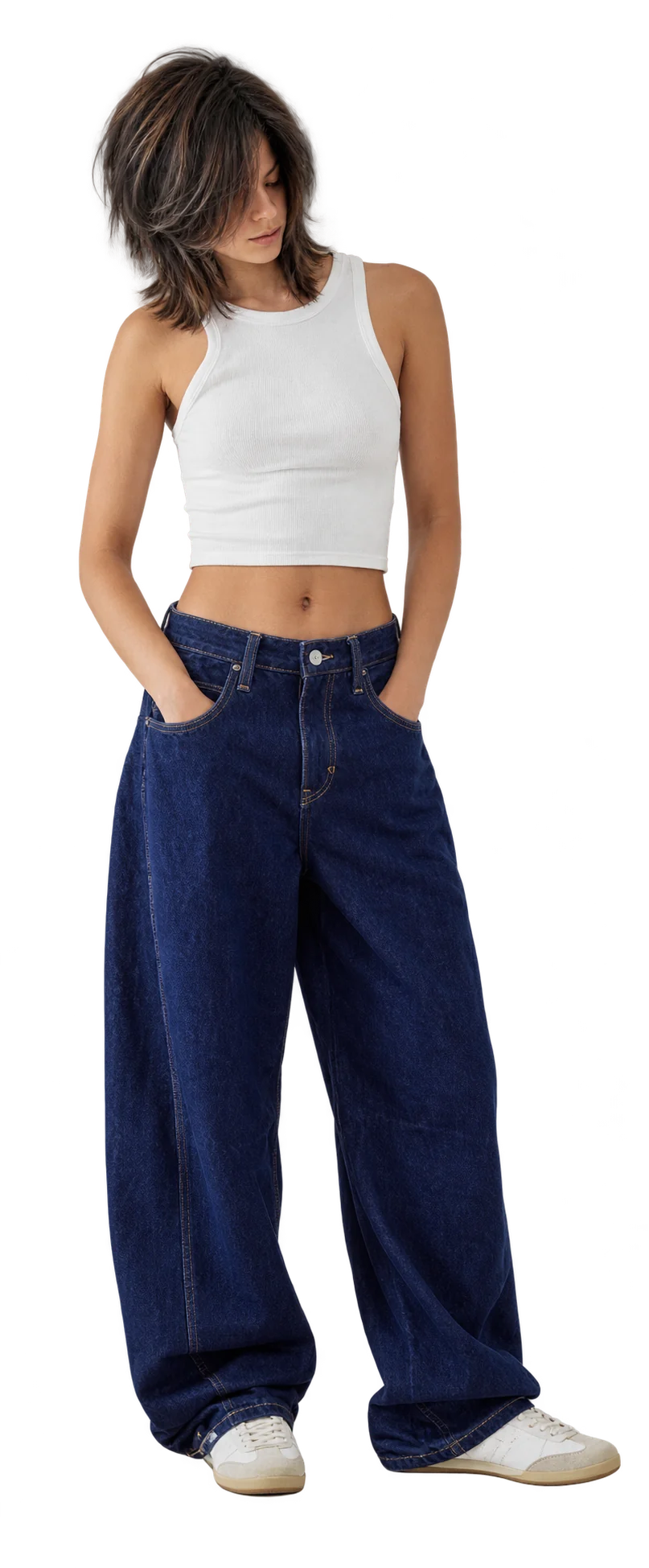
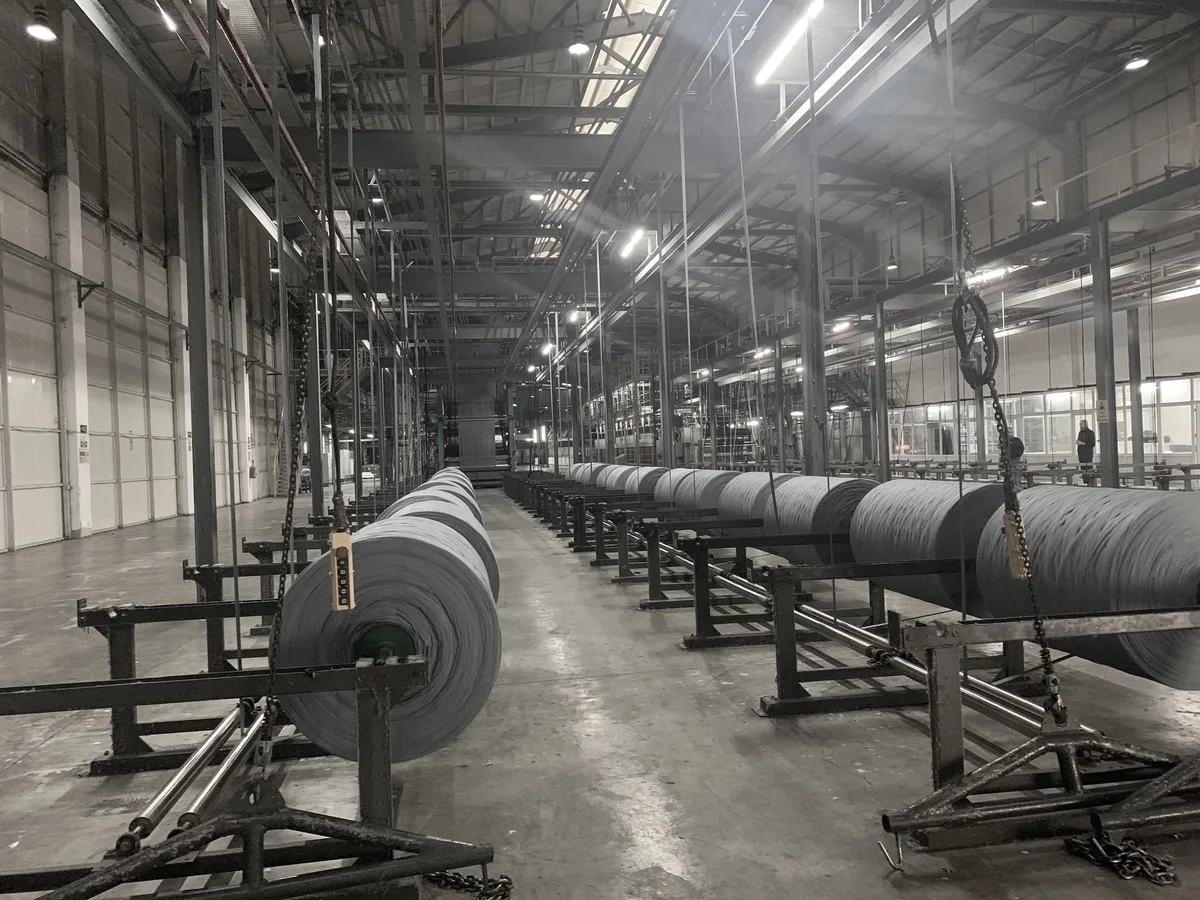
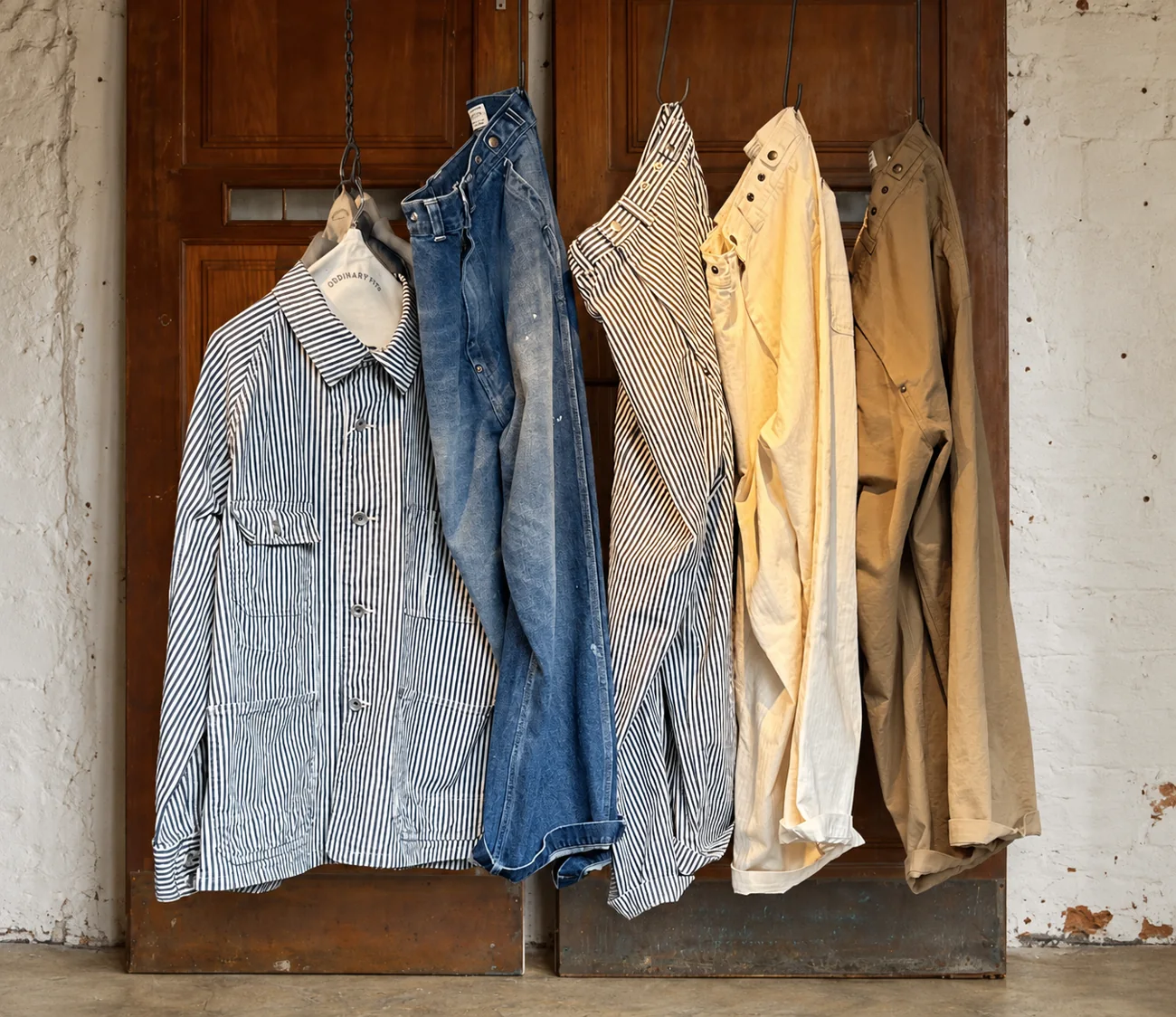
A legacy denim brand transformed into a vintage-inspired brand that customers love, while adopting circular design principles
My role: Leading product, sourcing and circular innovation
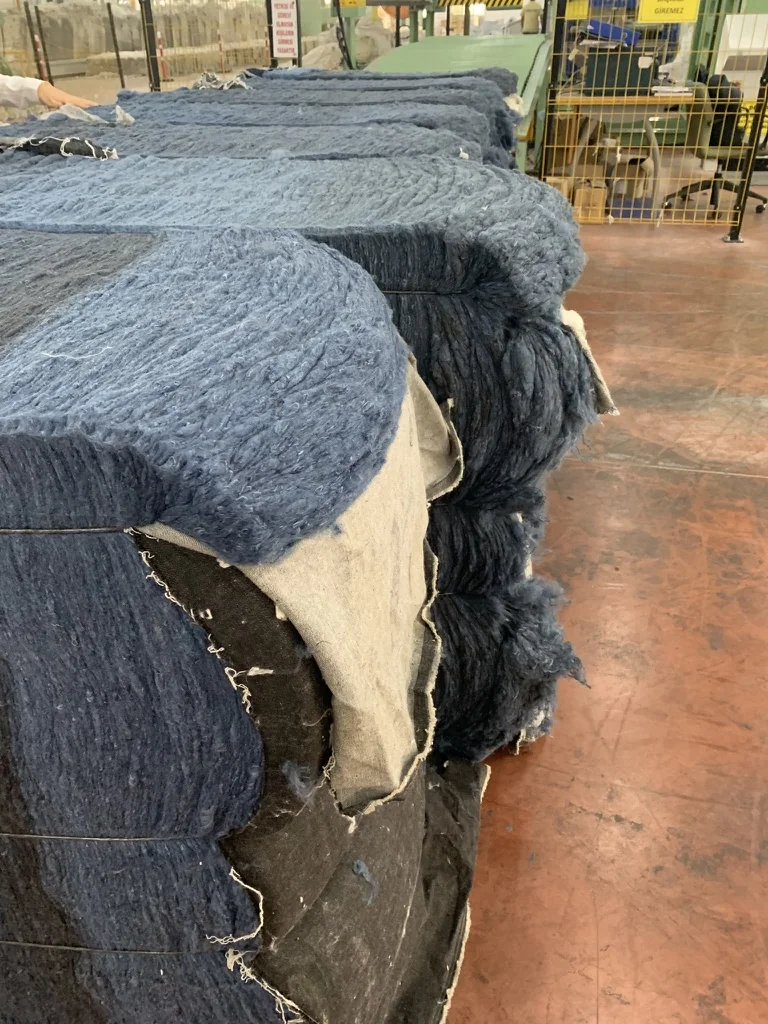
Impact:
Sustained sales growth over eight years. Stand-out product and a distinctive brand position drove customer love.
Approach:
Relentless focus on fit, fabric and wash innovation
Balanced production for flexibility and margin
Closed-loop 100% recycled jeans, made from the brand’s own cutting waste
20% post-consumer recycled content as standard
Low-impact washing, with all styles scored for Environmental Impact Measurement
If you want brands to consider your profile, and your investment in sustainability innovation to add value and differentiation to your proposition, I can help. I’ve led buying and sourcing at international brands. I know what they look for.
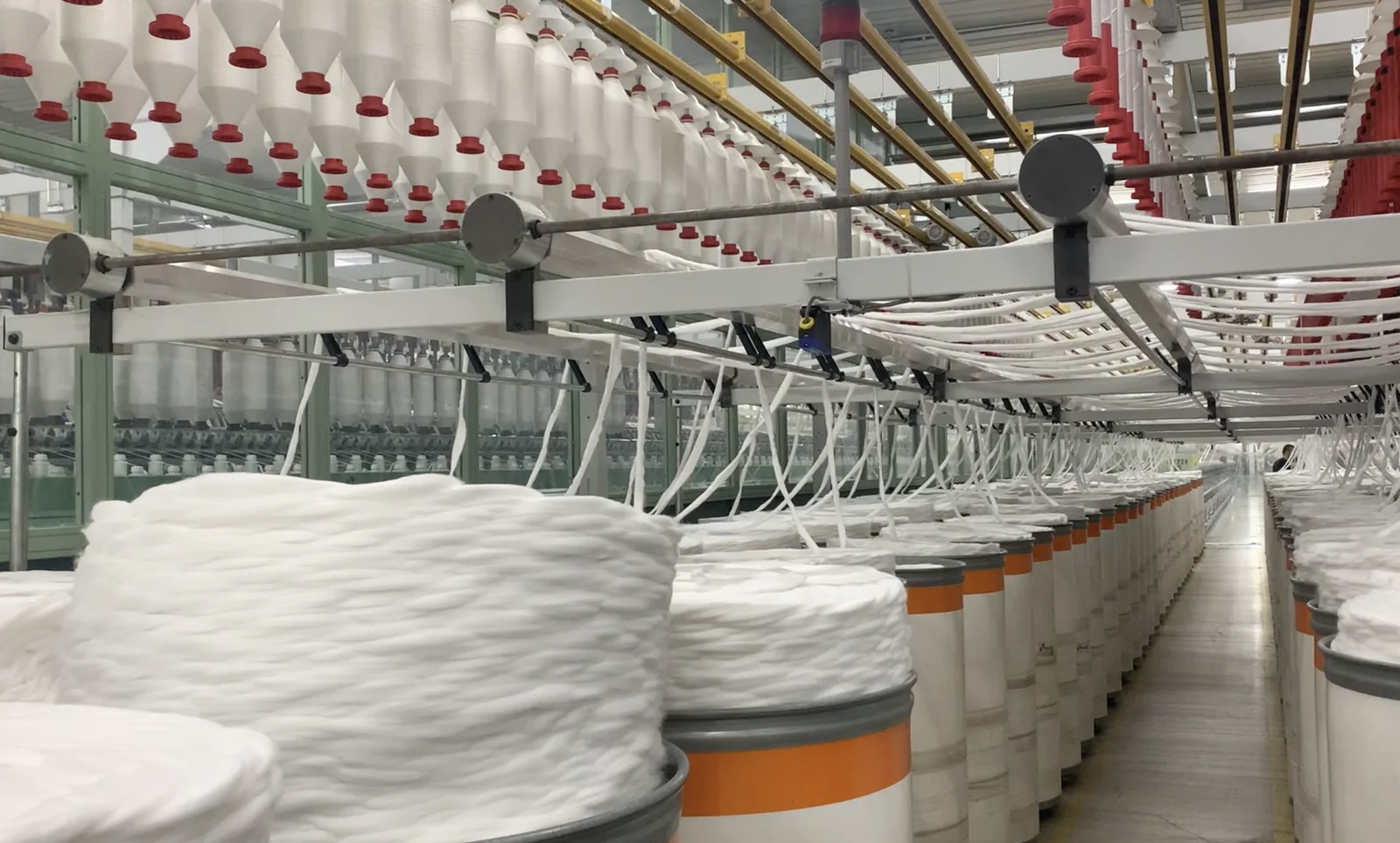
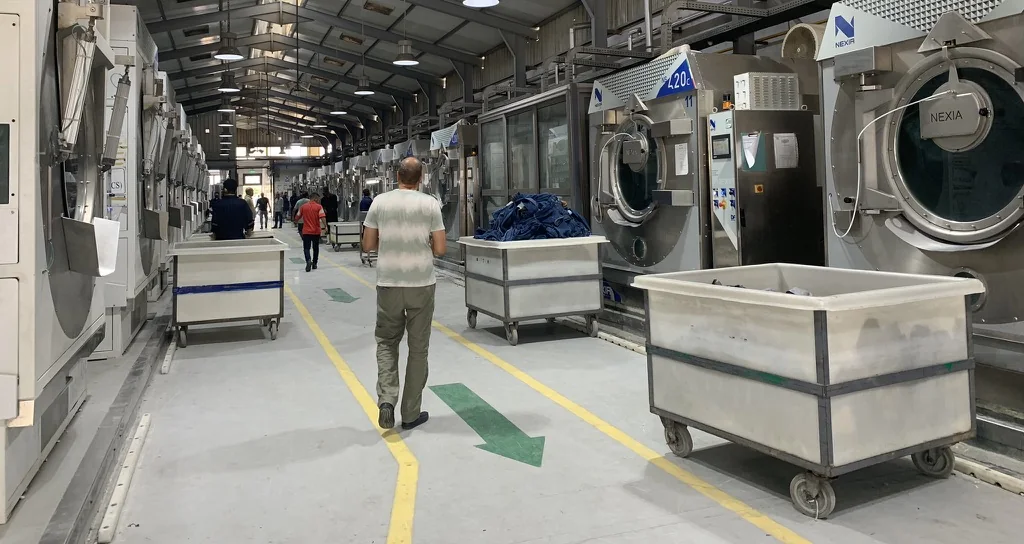

I work with innovative recyclers, mills & manufacturers to translate technical innovation in circularity and product capabilities into propositions that are compelling for customers.
I start by listening to your goals, then review your current B2B communications and check whether we’re a good fit.
We agree on what you need, and the process and timeline for delivering it.
I gather the information I need from you: your story, your product, technical capabilities, certifications and circular innovations. From this, I identify what makes your proposition unique.
Depending on your needs, I deliver a project, provide market insight, or guide you in improving your product appeal and proposition.
What I don’t do: business development. I only introduce producers to brands when they solve a brand’s challenge.
Cherie Nelson
Fashion product, sourcing
and circularity consultant
LONDON - WORKING WITH PARTNERS GLOBALLY
I’ve led womenswear buying, product development and sourcing teams in international fashion businesses, setting product strategy and delivering commercial growth. I now help businesses build circularity into their strategy, sourcing and buying, to reduce waste, protect margin and prepare for regulation.
After starting in design and knit development, I began my buying career at Topshop as it grew into a global fashion destination. At River Island, during a period of strong growth, I mastered inventory and production management and was in production countries almost as often as in London.



I then worked at Urban Outfitters Europe for nearly a decade as it expanded, latterly as Senior Head of Buying & Sourcing. I evolved the supply base for margin growth and resilience, led adoption of circular design, textile-to-textile recycled content and lower-impact fibres, and co-built a global wholesale business.


I set up GoodCloth to help brands and producers thrive while doing good business.
I’m the Consultant Head of Circularity for Kipaş Textiles, a large innovative mill, and I sit on the steering committee of the global Denim Deal, where I’m writing our circular denim guide.
I’m also completing an MSt in Sustainability Leadership at the University of Cambridge.
“You don’t have to be just a creative person or just an analytical person. You can be both. And yes, there is power in those intersections.”Imran Amed, The Business of Fashion, 2026
RCO100, 100% Recycled Cotton Denim
A case study on circular-oriented innovation in the textiles and apparel sector
Journal of Circular Economy; Nelson, C. (2025)
Read the paper
Retaining Product Value in Post-Consumer Textiles
How to scale a closed-loop system
Resources, Conservation & Recycling; Charnley, Nelson et al. (2024)
Read the paperDigital Product Passports:
Opportunities to facilitate customer adoption of circular business models in the apparel sector
White Paper (in progress, 2026)
Expert Participant in CRSD Policy Proposal Development, University of Cambridge: Centre for Resilience and Sustainable Development
Reforming Textile Trade Codes for a Sustainable & Circular Textile Economy, 2024
Cambridge Policy Boot Camp to co-design HS reform proposals
Systems for Supporting the Transformation of the Textiles Sector, 2023
Policy design for the European Union’s Strategy for Sustainable and Circular Textiles
Circularity makes a business more competitive by using fewer resources, often its greatest cost, to generate more value over the longer term. The framework identifies the incentives, decisions and processes that create waste, from concept to post-purchase. It then shows how to change them through shared knowledge, data and tools, partnerships and process design.
This framework informs my approach, which I adapt to each brand’s needs, with the aim of improving profitability, resource efficiency, brand and customer experience, and long-term value.
The framework is built on buying, sourcing and commercial leadership in fashion, research in circular systems at the University of Cambridge, and the ISO 59004 circular economy standard.
The GoodCloth Circular Fashion Framework
Lifecycle stage
01/Materials & supply chain
02/Product design
03/Product management
04/Production
05/Customer engagement
Principles from ISO 59004:2024, Circular economy: vocabulary, principles and guidance for implementation.
The Circular Economy principles
Principle
01/Systems thinking
Businesses take a life cycle perspective and apply a long-term approach when considering their impacts on environmental, social and economic systems.
02/Value creation
Businesses recover, retain or add value by providing effective solutions that contribute to socio-economic and environmental value, and use resources in an efficient way.
03/Value sharing
Businesses collaborate with interested parties along the value chain or value network in an inclusive and equitable way, for the benefit and well-being of society, by sharing the value created with the provision of a solution.
04/Resource stewardship
Businesses manage resources in a sustainable way including by closing, slowing and narrowing resource flows to contribute to resource accessibility and continued availability for present and future generations and to reduce risks associated with dependence on virgin resources.
05/Resource traceability
Businesses collect and maintain data to enable tracking of resources through their value chains and are accountable for sharing relevant information with interested parties.
06/Ecosystem resilience
Businesses develop and implement practices and strategies that protect and contribute to the resilience and regeneration of ecosystems and their biodiversity, including preventing harmful losses and releases and taking into account planetary boundaries.
Definitions adapted from ISO 59004:2024, Circular economy: vocabulary, principles and guidance for implementation, clause 5.2.
Understanding how garment costings work is a fundamental skill for buying and sourcing professionals. This tool makes component costs visible, using country-specific labour cost data, with assumptions and/or guidance for every other component. It has been developed from extensive industry experience, using AI to help build the calculation model and compile the data.
Buyers often balance intake margin targets with design integrity, quality and paying a fair price. This is best done by understanding the components of a product’s price.
No tool can replace suppliers’ knowledge. But it can help you to build an informed expectation of cost prices, allowing you to model the cost of different fibre, fabric and make choices.